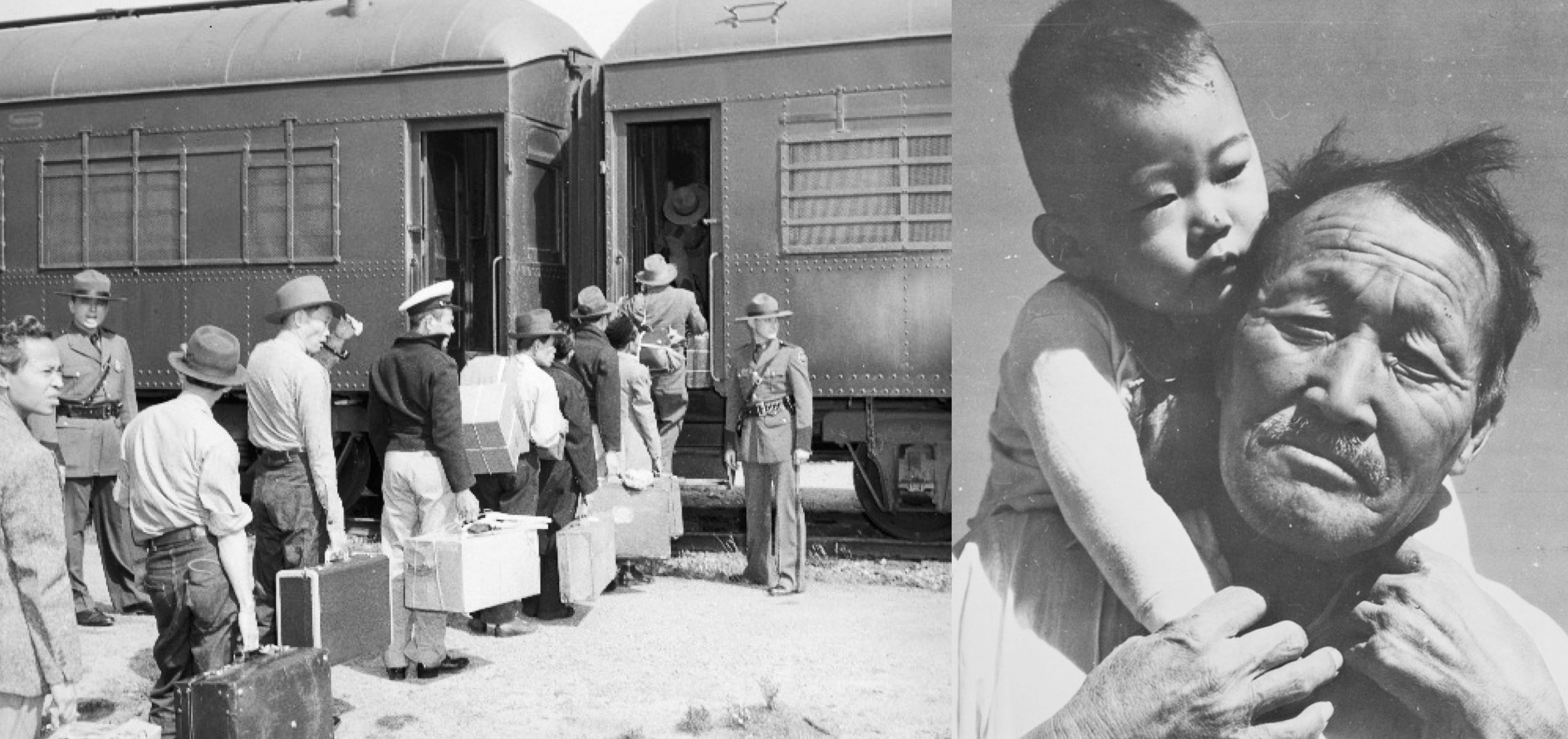
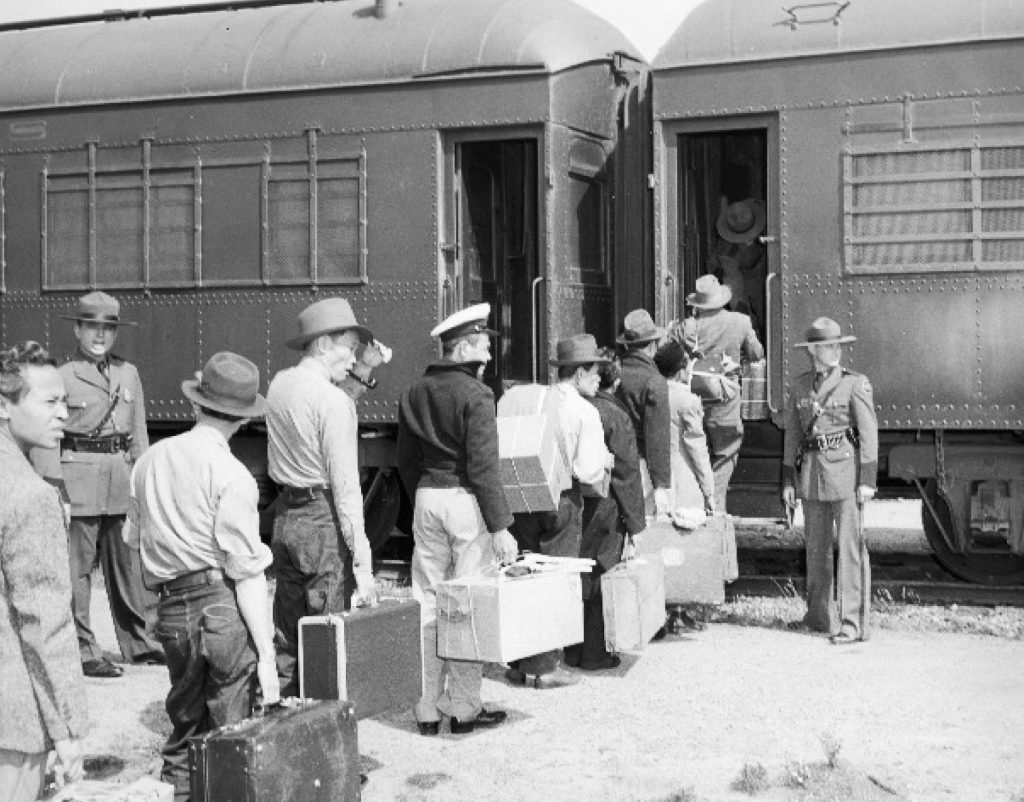
Discover the History ofWWII Incarceration
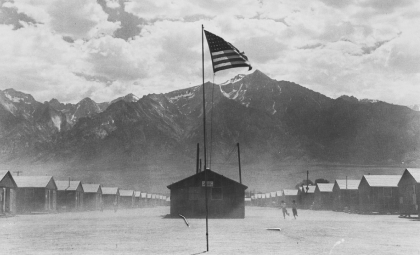
120,000 Japanese Americans were unjustly incarcerated during World War II. Learn about this unprecedented denial of civil liberties and why it still matters today.
Explore Personal Stories
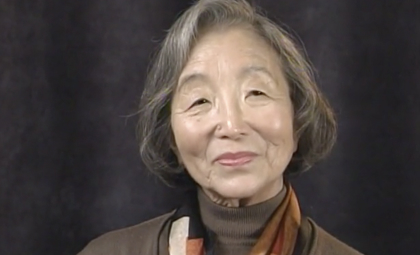
Learn about Japanese American history and the legacy of WWII incarceration by exploring personal stories from those who lived through it.
Promote Equity Today
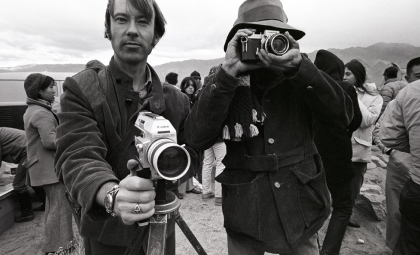
History doesn’t repeat itself, but it often rhymes. Join us in putting the lessons of Japanese American WWII incarceration into action today.
Densho Catalyst: History, Essays, & Opinion
Dive into hidden histories and learn why these stories matter today with the latest essays and opinions from Densho and other community voices.
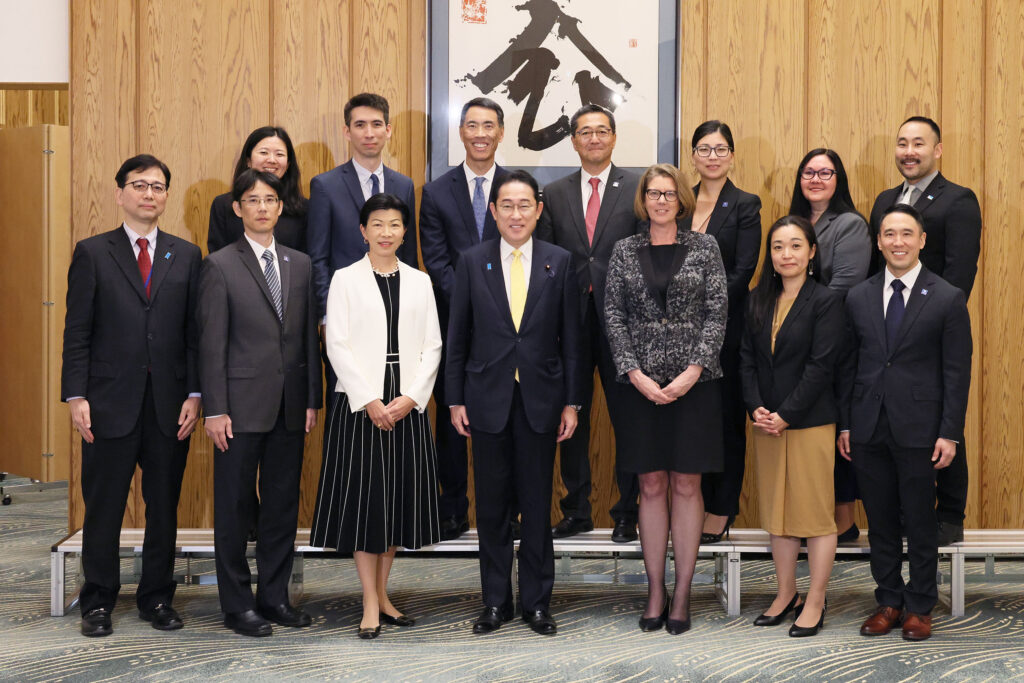
Naomi Ostwald Kawamura: Building Community and Connection that Transcends Borders
In early March, I had the opportunity to be part of the 2024 Japanese American Leadership Delegation (JALD), a program jointly supported by the US-Japan Council and Japan’s Ministry of...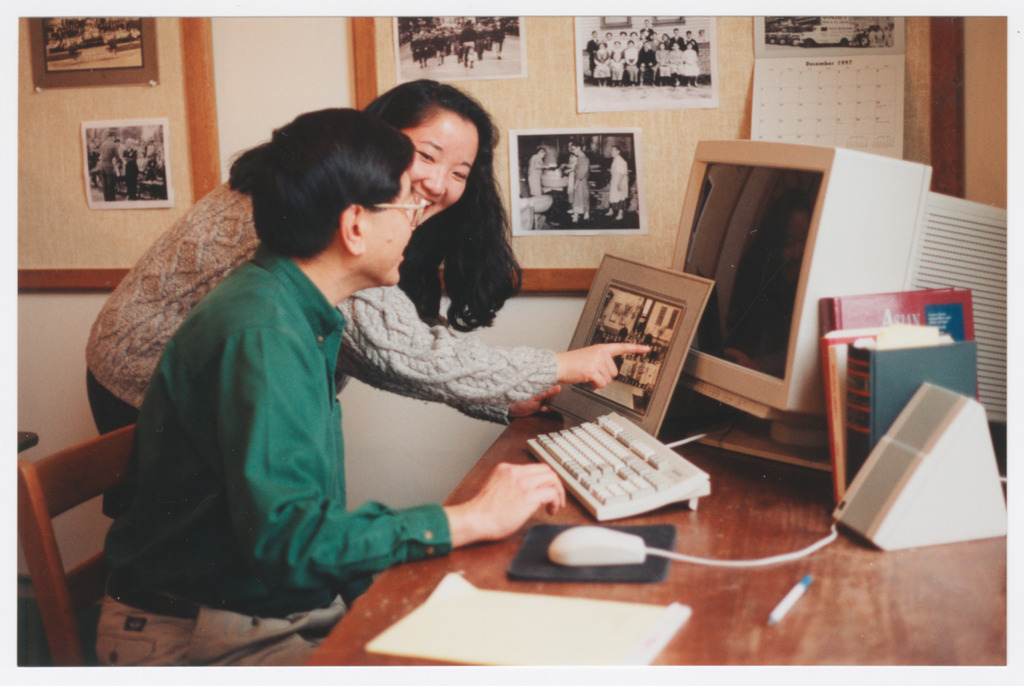
The Densho Legacy Archive Offers a Glimpse into Hard Work and Passion That Built Densho
Densho Project Archivist Will Allen has been helping to create Densho’s Legacy Archive, an archive of Densho’s organizational records since its founding in 1996. Will shares some highlights from this...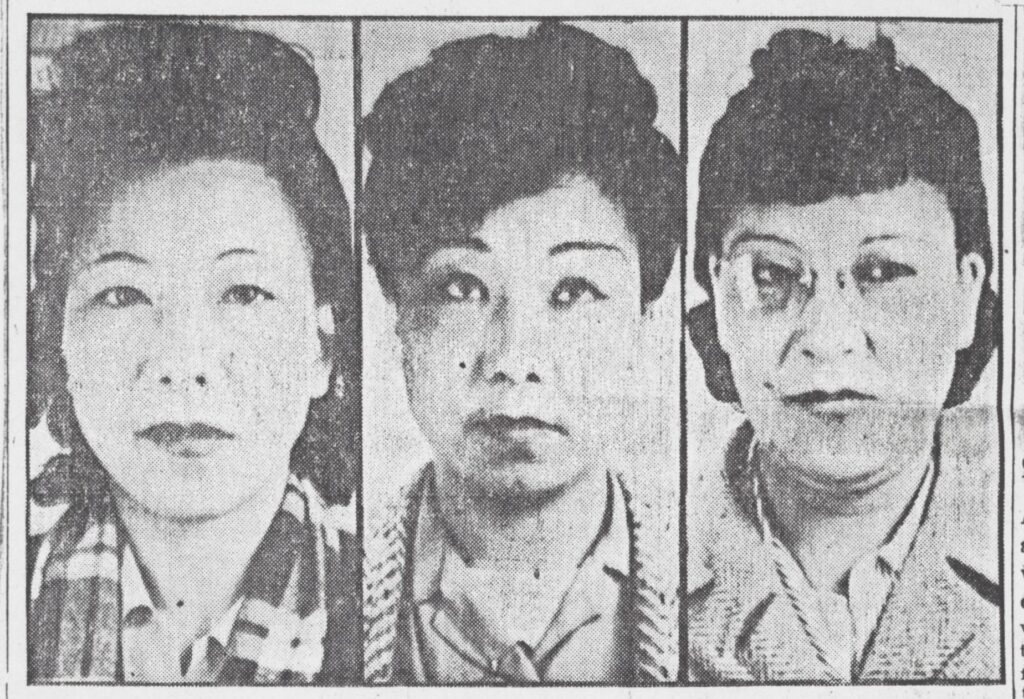
“Little Benedict Arnolds in Skirts”: The Shitara Sisters’ Scandalous WWII Treason Trial
In late 1943, three Japanese American sisters helped two German prisoners of war escape from a southern Colorado POW camp. The men were soon caught and sensationalized stories of “Japanazi...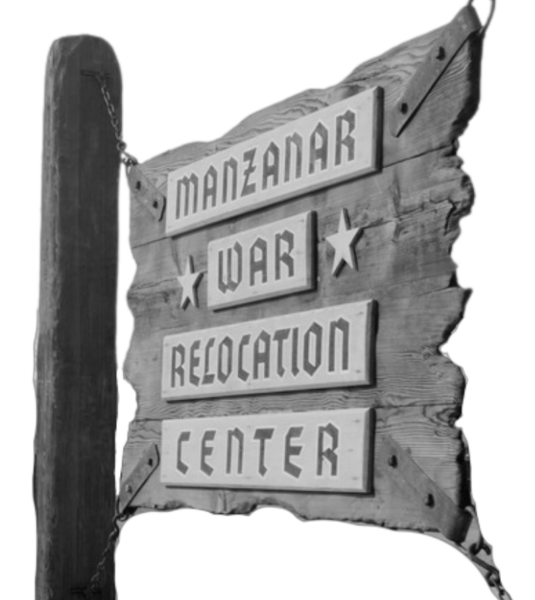
Manzanar CloseUp
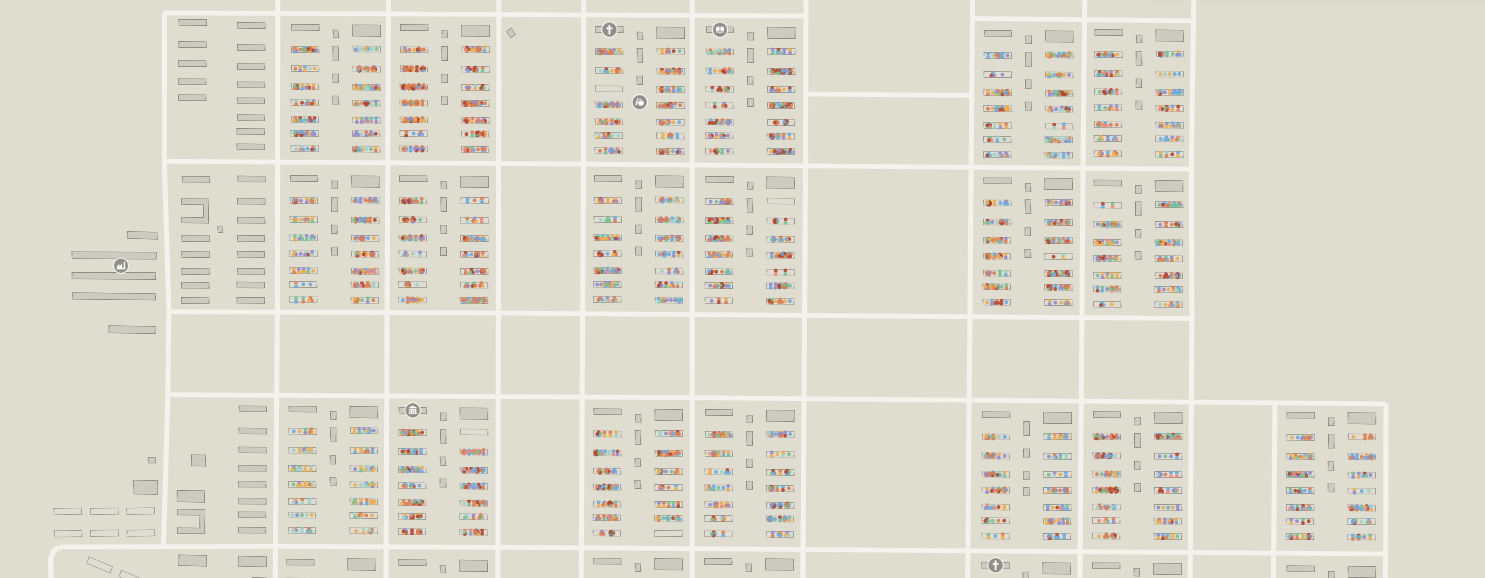
Welcome to Densho’s newest digital platform, Manzanar CloseUp! An evolution of Densho’s popular Sites of Shame project, Manzanar CloseUp applies similar data extraction and visualization tools to offer a close-up view of Manzanar concentration camp. Users are able to see geographical and population features of the camp with an unprecedented level of detail, including information about camp population down to the individual family and barrack level.
Upcoming Events

Virtual Town Hall with Naomi Ostwald Kawamura: Densho Reflections & Community Connections
VIRTUAL EVENT
Join Densho’s Executive Director Naomi Kawamura for an informal virtual town hall from 12 PM - 1:15 PM PST on Thursday, May 2nd 2024. Naomi is excited to report back on her recent travels to Tokyo and Osaka where she represented Densho as part of the U.S. Japan Council’s 2024 Japanese American Leadership Delegation (JALD). After sharing some of her highlights and reflections from her JALD trip, Naomi will briefly touch on related Densho programming rolling out in 2024 and beyond. Then we’ll open the floor and spend the rest of the time digging into questions and group discussion with our Densho community. We’re looking forward to an afternoon of reflecting, connecting and being in community together.
Stay Informed: Join The Mailing List

Campu: A Podcast
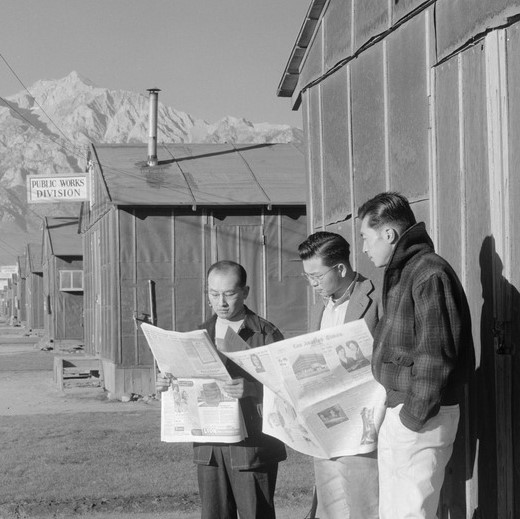
Campu weaves together the voices of survivors to spin narratives out of the seemingly mundane things that gave shape to the incarceration experience: rocks, fences, food, paper. Follow along as hosts Hana and Noah Maruyama move far beyond the standard Japanese American incarceration 101 and into more intimate and lesser-known corners of this history.
Encyclopedia
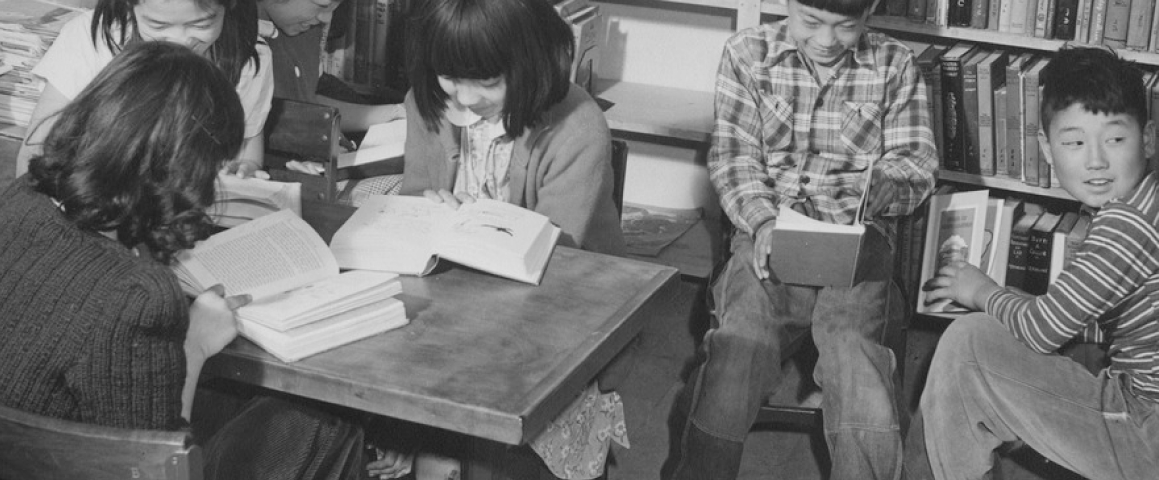
Thousands of articles about the history of the Japanese American WWII exclusion and incarceration experience. Here are a few to get you started:
Documentary films/videos on incarceration
The following is an attempt at a comprehensive listing of documentary films/videos that include a significant treatment of Japanese Americans during World War II, broken up into several broad categories.
Scene (magazine)
Japanese American pictorial monthly magazine that ran from 1949 to 1955. Largely produced by and for Nisei, Scene magazine highlighted "successful" Japanese Americans as well as Japanese culture.
Owens Valley (detention facility)
The Owens Valley Reception Center—later the Manzanar Reception Center—was the first of the WCCA -administered short-term detention camps to open when the first "volunteers" from the Los Angeles area arrived on March 21, 1942.